Landlord insurance in Miami-Dade County, Florida
By K2 Insurance · September 7, 2026 · 4 min read

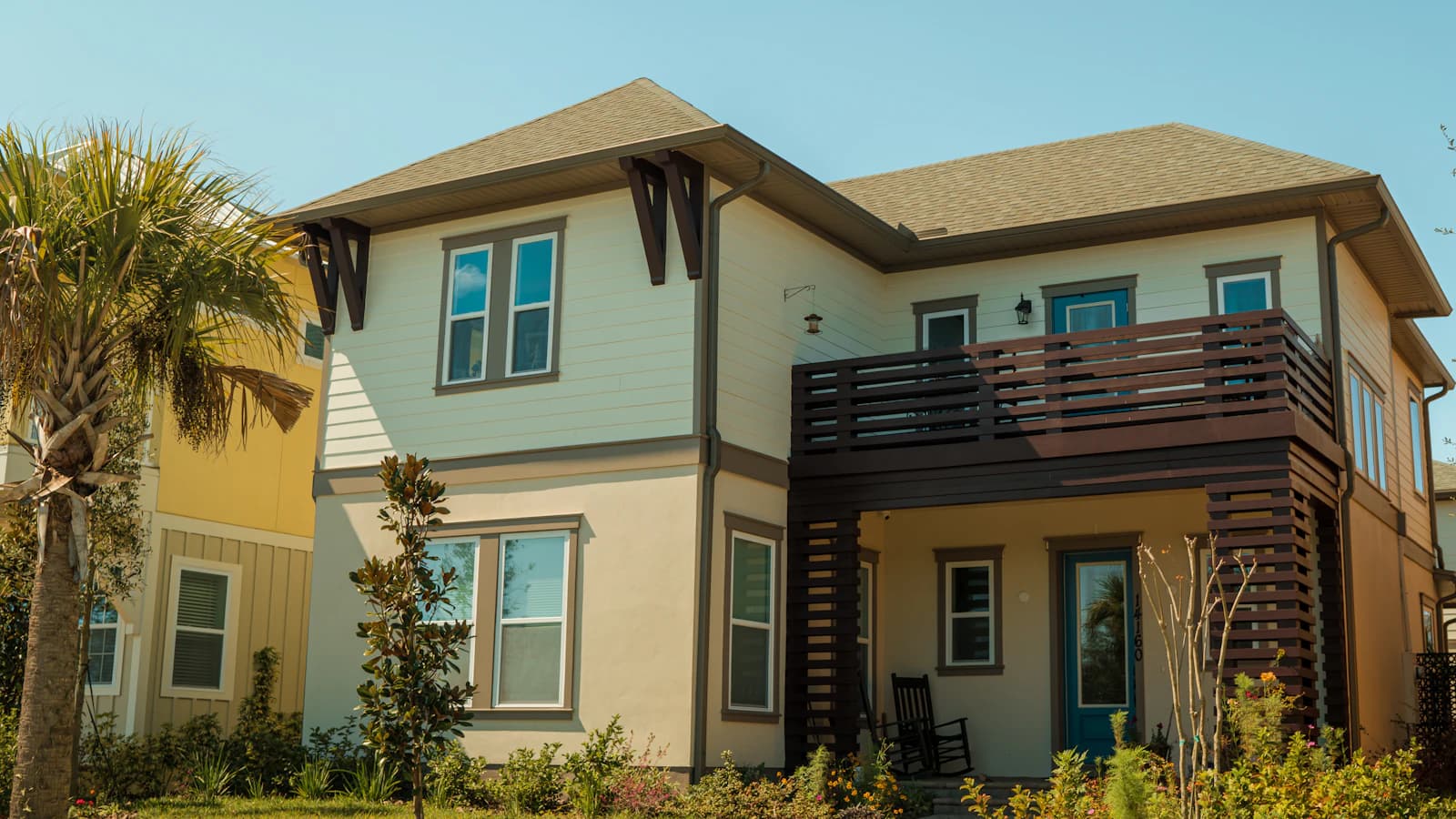
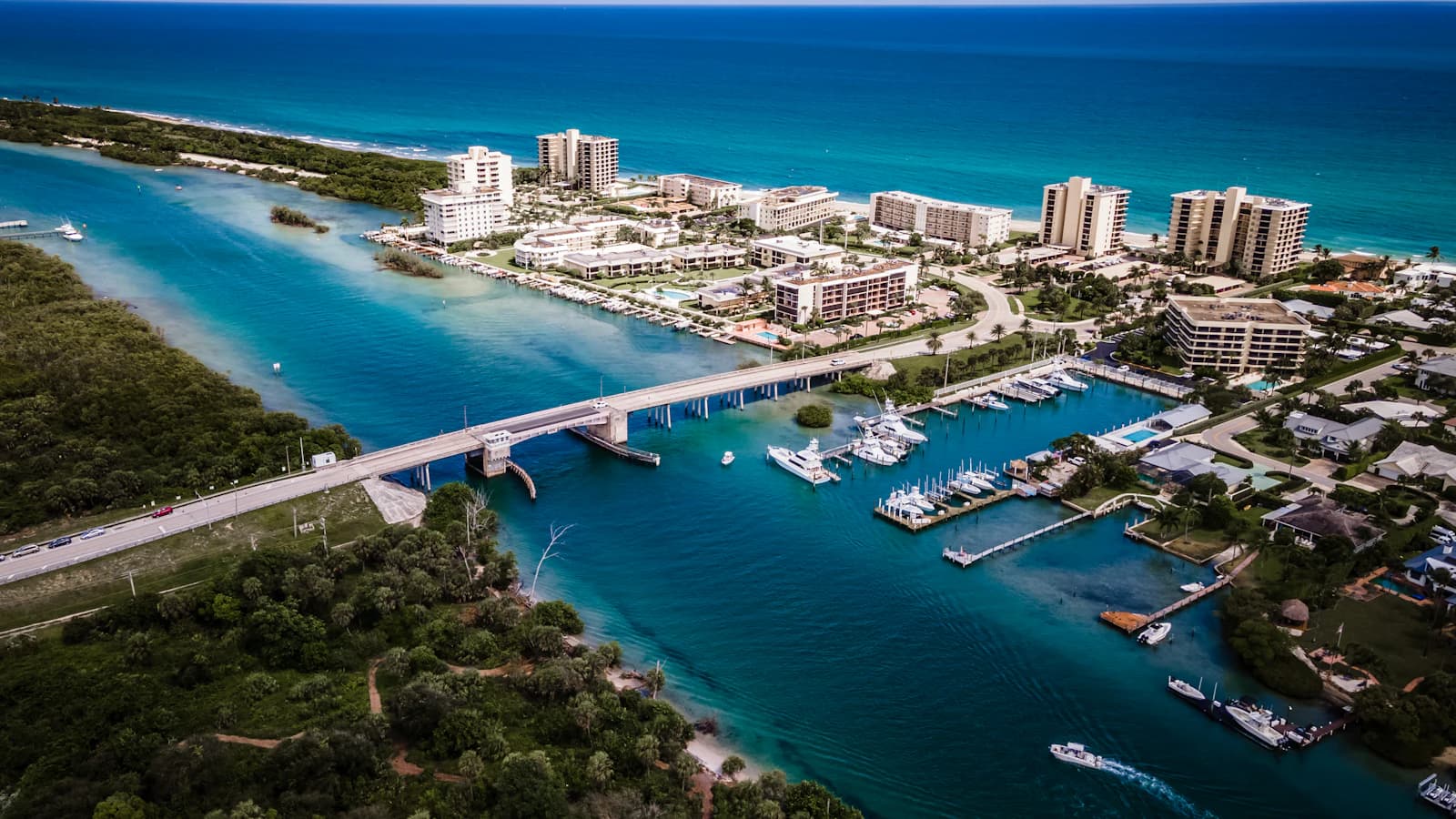
Photo by Luis Montejo on Unsplash
The moment a property stops being where you live and starts being where someone else lives, the policy on it usually needs to change. This catches people out most often when a house becomes a rental by accident: you moved, the place did not sell, and now there are tenants in it under the same policy you had before.
Miami-Dade has a large rental market and a wide range of building types inside it, from single-family houses in the south of the county to small apartment buildings and condo units bought as investments. The coverage question is broadly the same across all of them, but the answers differ enough to be worth asking about specifically.
Why a homeowners policy generally does not carry over
A homeowners policy is written around an owner-occupant. Its liability section assumes your household, its contents section assumes your belongings, and many forms limit or exclude what happens once the property is rented.
That does not mean a claim gets denied for a technicality nobody could have predicted. It means the policy was priced and worded for a different arrangement, and a carrier that finds out mid-term may have the right to make changes. Telling your agent the property is now tenant-occupied is a short conversation that avoids a long one.
What a landlord policy is generally doing instead
Three things, in rough order of how often they matter.
The building. The structure itself, at a limit set to what rebuilding would cost rather than what the property would sell for. In South Florida those numbers have moved apart considerably, and market value is the wrong anchor in both directions.
Loss of rents. When covered damage puts a unit out of service, this line is what stands in for the income the property would otherwise have produced during repairs. After a major storm this is often the coverage that matters most, because repairs in Miami-Dade are not quick when every contractor in the county is booked. The limit and the time period are both worth reading.
Liability. Claims arising from the property rather than from your household. A tenant's guest hurt on a stairway, a slip in a common area. The limit is inexpensive to raise, and it is what an umbrella policy sits above.
What is not in there: your tenant's belongings. Those are the tenant's problem, which is why many leases require renters coverage, and why requiring it is generally a reasonable thing to do.
What tends to drive pricing here
Roof age comes first, as it does on nearly every Florida property policy. Then construction type, since masonry and concrete perform differently from frame in wind. Then the wind mitigation features a property does or does not have, which is why the inspection is often worth paying for.
Location does the rest. Coastal exposure, flood zone, and how a particular carrier feels about the neighborhood on the day you apply all move the number. Carrier appetite in this county changes more than people expect, and a market that would not look at a property last year sometimes will this year.
Flood is separate from all of it. No property policy covers rising water, and for rental property near the coast or in a low-lying area it is worth pricing whether or not a lender is requiring it.
Practical things worth doing
Keep the lease, the inspection reports and any renovation documentation somewhere you can find them, because a carrier will eventually ask. Photograph the unit between tenants; it is the cheapest claim documentation you will ever produce. Review the rebuild limit rather than rolling it over, since construction costs here have not been stable. And if you have more than one property, ask whether writing them together makes sense.
Coverage, limits and exclusions vary by policy and by carrier, so a licensed agent looking at your actual situation will give you a better answer than any article can.
How K2 fits in
K2 Insurance is independent, which matters more on rental property than on most lines because carrier appetite for it is so uneven. One set of details goes to multiple rated markets and you see who will write it and on what terms, side by side.
Get in touch if it would help to talk it through, or read more about landlord coverage and the rest of what we write across Miami-Dade County.
This article is general information, not insurance or legal advice. Coverage, limits and exclusions depend on the terms of your individual policy.
Want this reviewed for your situation?
Our local team will compare options from 40+ rated carriers — free, no pressure.