Flood Zones Explained: What Your FEMA Zone Really Means in Florida
By K2 Insurance · July 13, 2026 · 2 min read
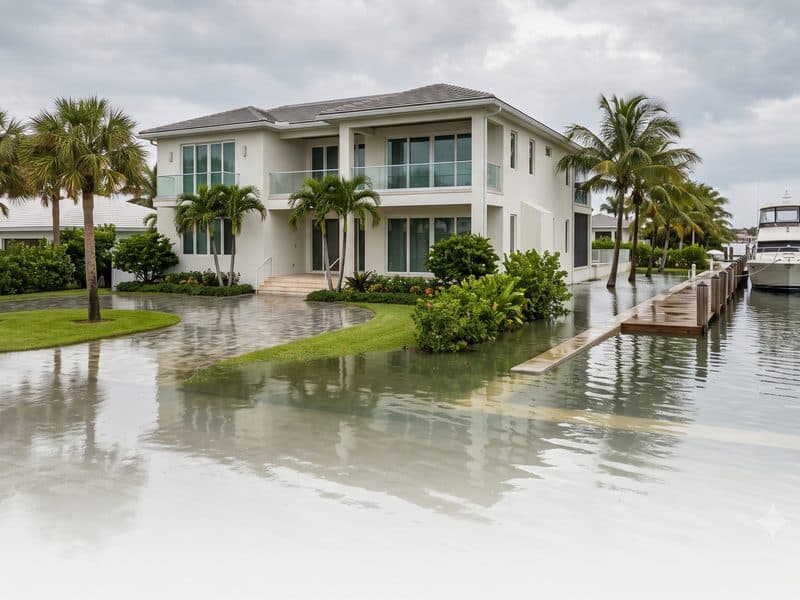
Rising water is excluded from every homeowners policy written in this state — flood is always a separate purchase, never a box you check on the HO-3. Nearly all of Florida carries some level of flood risk, and your FEMA zone drives both whether a lender will require the coverage and what you'll pay for it. Here's how to read yours without needing a degree in hydrology.
Where your flood zone comes from
FEMA publishes Flood Insurance Rate Maps (FIRMs) that divide the country into zones based on the statistical chance of flooding. Your zone is tied to your property's location and elevation. You can look yours up for free on FEMA's Flood Map Service Center — but the letter code is only half the story.
The zones you'll actually see in Florida
- Zone X (shaded or unshaded): Lower-risk areas outside the high-risk floodplain. Flood insurance usually isn't federally required here — but "lower risk" is not "no risk." A large share of flood claims come from Zone X, and coverage is often surprisingly affordable.
- Zone A / AE: High-risk zones with a 1% annual chance of flooding (the "100-year floodplain"). If you have a federally backed mortgage, flood insurance is typically mandatory. AE zones have a published Base Flood Elevation (BFE), which drives pricing.
- Zone VE: High-risk coastal zones exposed to wave action and storm surge. These carry the highest requirements and premiums because the water arrives with force, not just depth.
Why your zone drives your premium
Since FEMA moved to its "Risk Rating 2.0" pricing, premiums are based on your property's specific characteristics — elevation, distance to water, foundation type, and rebuild cost — not just the zone label. Two homes in the same AE zone can pay very different rates. That's why an elevation certificate and a careful comparison across the NFIP and private flood carriers can make a real difference.
What to do with this information
- Look up your zone so you know your baseline requirement.
- Don't assume Zone X means skip it — flooding doesn't check the map before it happens, and off-floodplain coverage is often cheap.
- Compare private flood options. The private market has grown fast in Florida and frequently beats NFIP pricing with broader coverage.
As an independent agency, K2 Insurance shops flood insurance across both the NFIP and private carriers so you can see your real options in one place. Start a quote and we'll help you understand exactly what your zone means for your home — and what it should cost.
Want this reviewed for your situation?
Our local team will compare options from 40+ rated carriers — free, no pressure.